I come to praise ISAPP, not to bury it: Reflections on 15 years as a board member

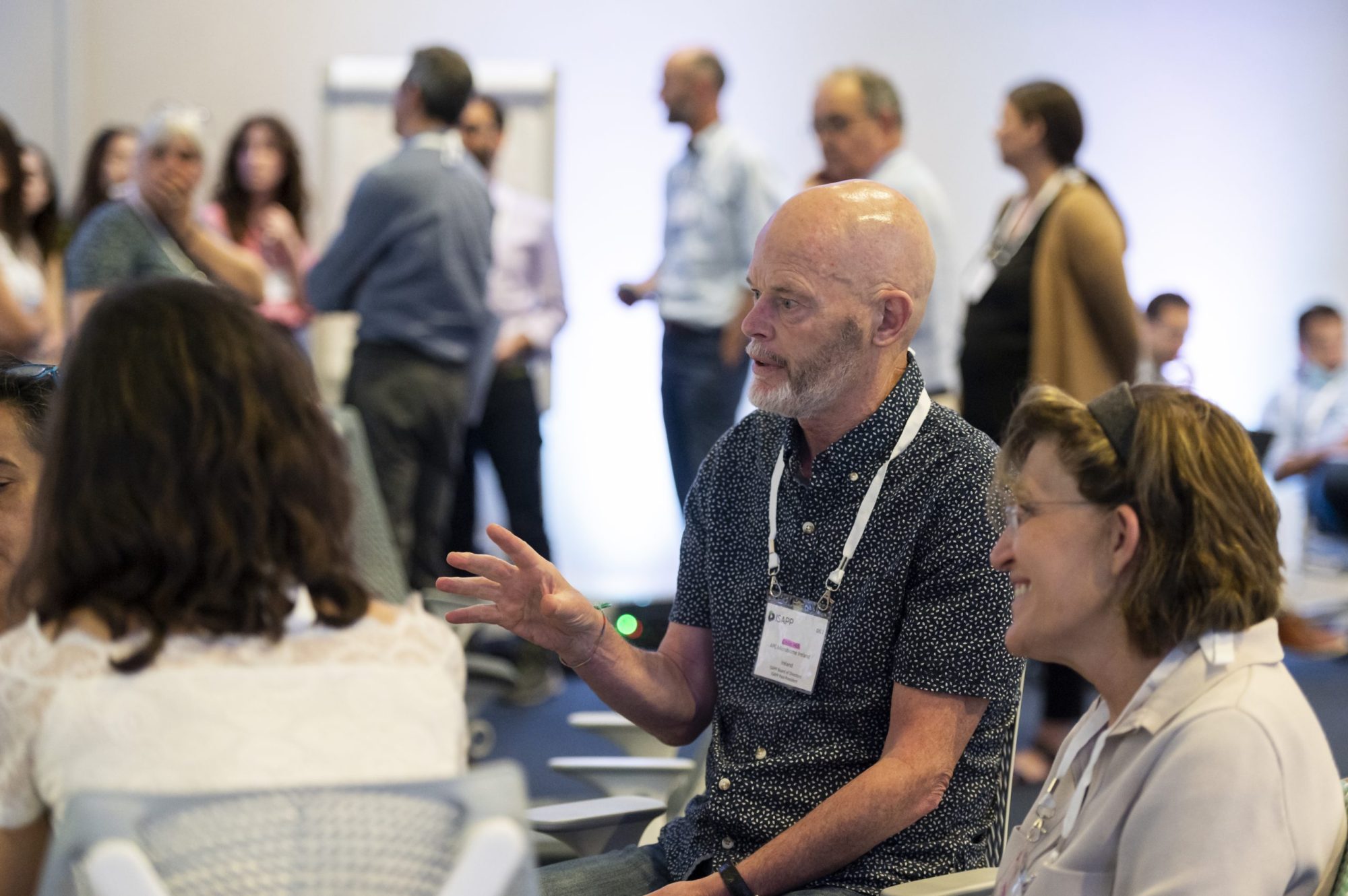
By Prof. Colin Hill PhD, University College Cork
I have been a Board member of ISAPP since 2009, serving as President from 2012 to 2015. This year, following our successful annual meeting in my home city of Cork, I have decided to step down and make way for new blood.
It is normal when a period like this comes to an end to reflect on all the advances in the field in that time and to highlight some of the great strides that have been made. But I don’t want to do that – the health of the field is obvious from the scientific literature and the extraordinary level of the research presented at the annual meeting. Maybe one could even argue that the field is now at a point of maturity where ISAPP has fulfilled its purpose in helping to establish the credibility of biotic research. So, what is the role of ISAPP in 2024 and beyond? This of course is something for the board and ISAPP member companies to decide, but I will give some of my thoughts on what makes ISAPP special and why I think it is more important than ever to have such a strong scientific champion representing the field.
The ISAPP agora
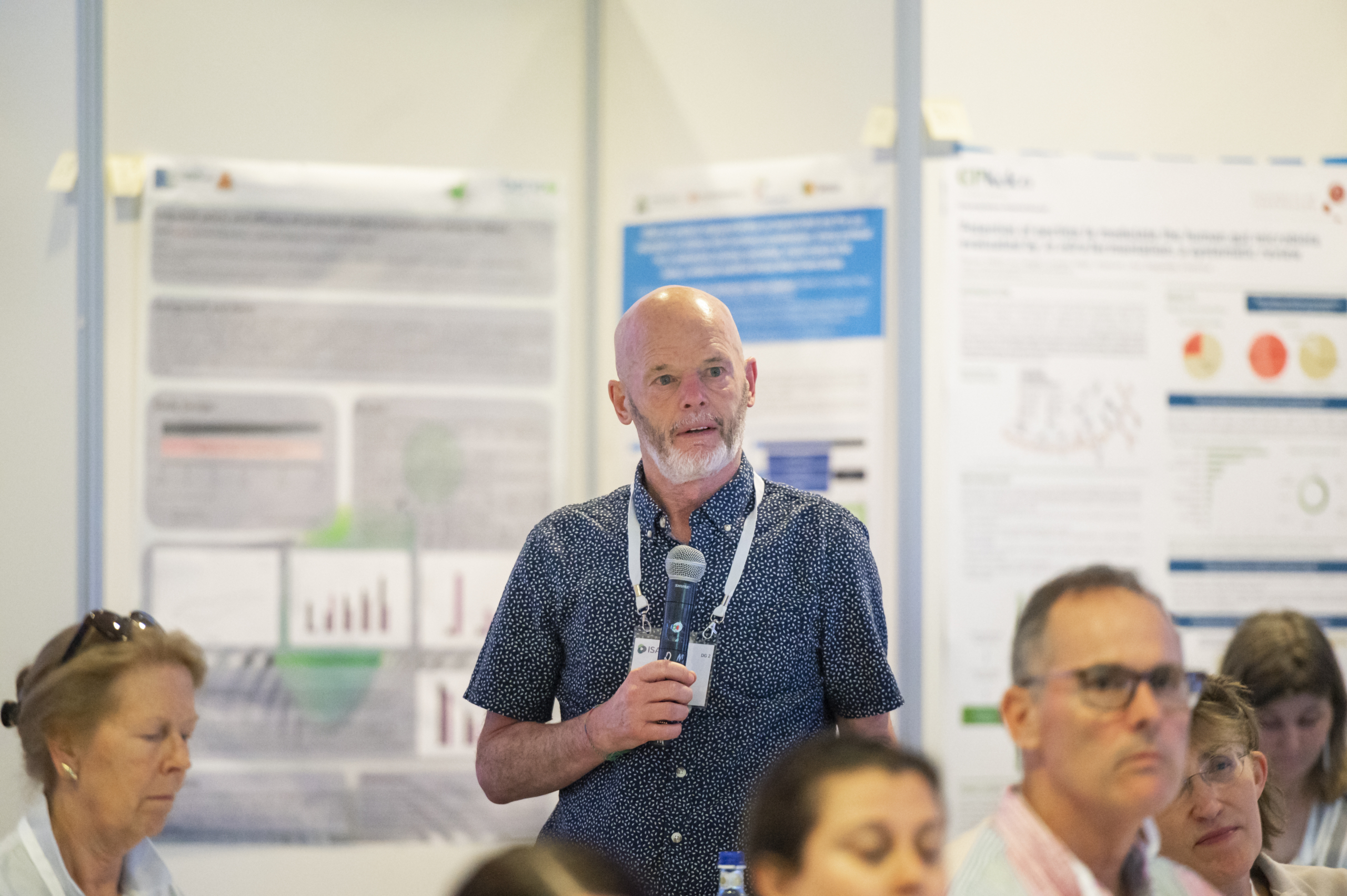 The literal meaning of the word agora is “gathering place” or “assembly”, and I think that providing this function has been and continues to be one of the main benefits of ISAPP. The ISAPP agora is physically manifested in the annual meetings and other gatherings, but also goes on throughout the year at the monthly board meetings, which involve all of the academic board members plus the designated industry representatives. The ISAPP agora can be used to reach consensus, to debate topics, to identify new trends, to challenge accepted dogma and to defend rigorous science against unfounded claims. The biotic field can sometimes be a victim of individual researchers or companies making claims that are not supported by rigorous research. ISAPP is entirely focused on scientific excellence and its member companies accept that there are no shortcuts for biotics research in terms of rigour. We realise that the days of saying that it would be too difficult to ‘prove’ a health benefit are over. We still have many more associations than direct evidence of mechanism, but I for one think that is reason for excitement rather than a point of criticism.
Uniting industry and academia
While it is of course important that the board is composed of independent academic scientists, I have always thought that ISAPP benefits by placing scientists from industry and academia on an equal footing, and that everyone recognises the basic truth that it is rare that any discovery in an academic research lab will make a difference to a patient or a consumer without industry being involved. The degree of openness of the scientists from industry partners, the genuine enthusiasm for the field and the sense of common purpose is always obvious. Perhaps people in other industry-academic partnerships experience the same phenomenon, but whether or not they do, the field of biotic research has benefited enormously from this sense of togetherness that I think owes a lot to the existence of ISAPP.
A common language
Scientists, industry, regulators and others can only communicate effectively if we share a common language, and ISAPP has been a leader in providing and updating the definitions of the foundational terms of our scientific discourse; probiotics, prebiotics, synbiotics, postbiotics and fermented foods. This function should not be underestimated and although definitions always require ongoing debate and revision, ISAPP hopefully will continue to codify existing and new ‘biotics’ into the future.
A vibrant and talented board
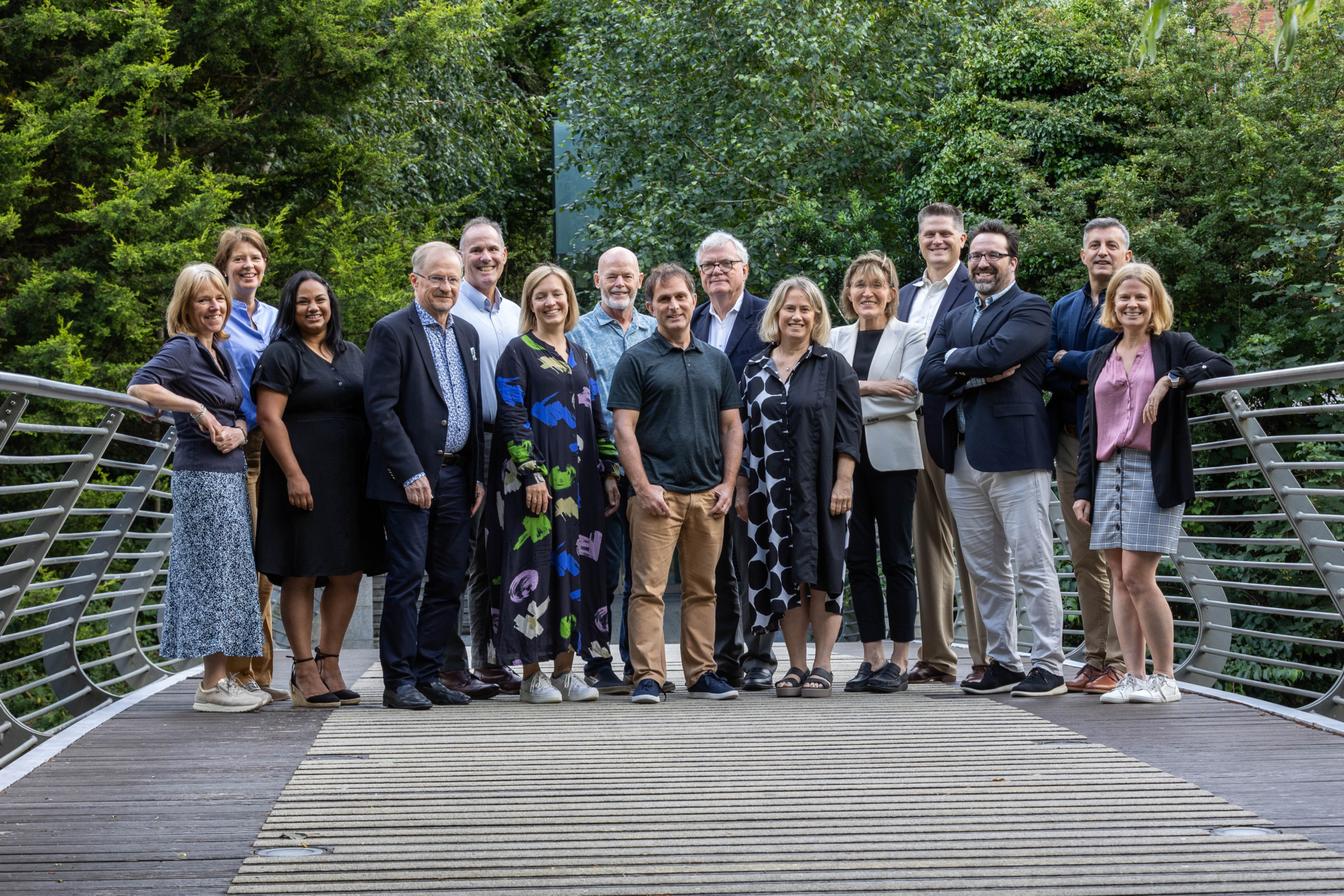 I want to finish by commending the existing and previous board members for their dedication to promoting scientific excellence, the extraordinary amounts of time they volunteer to this cause, and their enormous patience in putting up with me for 15 years. The new leadership team (Executive Director Marla Cunningham, President Maria Marco and vice-President Sarah Lebeer) is outstanding, with the board members representing a who’s who of biotic science and so I leave with the association in the best of hands.
In my time on the board I was lucky to work with many of the giants in our field. If I start naming people I will inevitably omit someone who deserves mention, but I hope no-one will mind if I single out the two individuals who had the most profound influence on me, Todd Klaenhammer and Mary Ellen Sanders. It would take far too long to list the many ways that they have shaped my thinking and so I will simply express my gratitude toward them, and to all my other friends and colleagues among board members past and present. It has been a pleasure, and I look forward with interest to the next 15 years of ISAPP.